









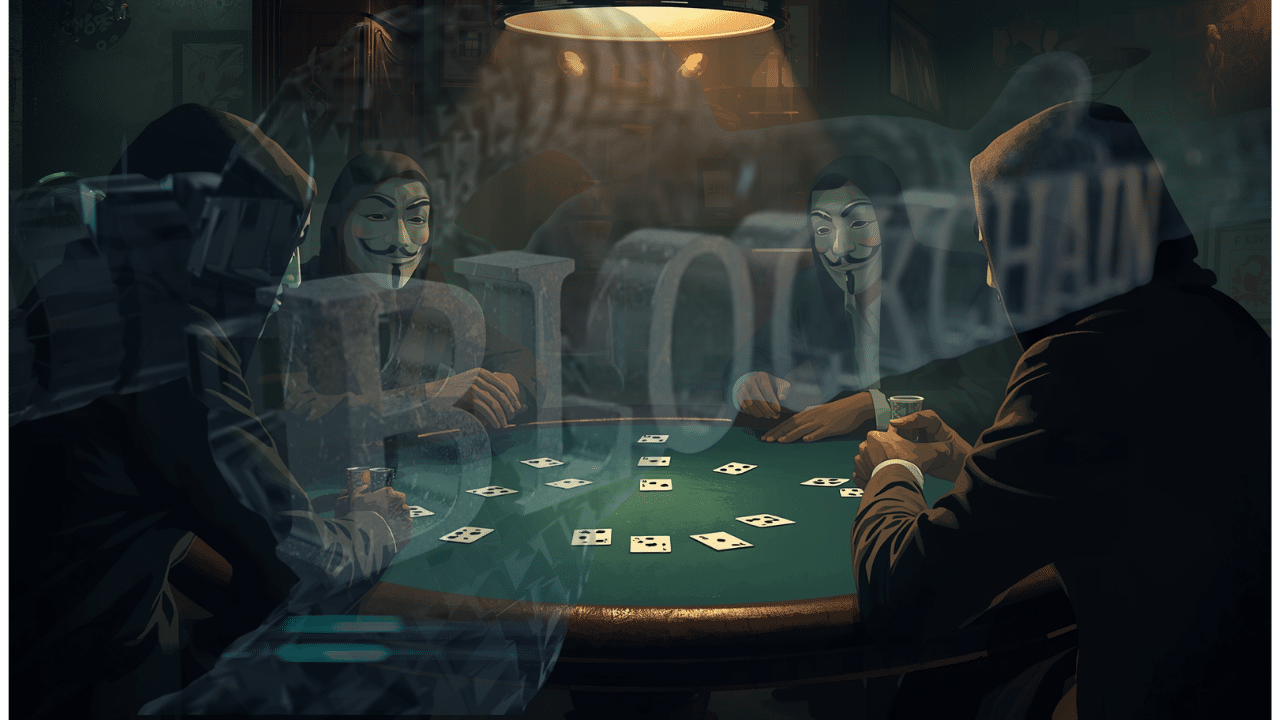
Online gaming has never been easier to access. From your living room couch, you can load up a slot game, back your favorite team, or join a high-stakes poker table in seconds. But that convenience usually comes with a hidden “tax” that most people don’t talk about: your personal privacy.
In a traditional online casino, “signing up” is a massive chore. You aren’t just creating a username; you’re handing over your full legal name, your home address, and often a scan of your ID or a utility bill. Then comes the banking info. By the time you’ve placed your first bet, the platform knows more about you than some of your friends do. This is exactly why anonymous gaming has moved from a niche interest to a massive movement in the gambling world.
By cutting out the personal disclosures, decentralized technology hands the power back to you. It’s not about being “sneaky”—it’s about playing in an environment where your identity isn’t part of the transaction.
The Real Cost of “Traditional” Sign-ups
Think about the last time you signed up for a standard site. You probably didn’t think twice about the data you shared. But that information lives on a central server somewhere. Even the most “reputable” companies get hacked. When a centralized database leaks, your digital dossier—your finances, your habits, your location—is out there for the highest bidder.
Beyond the security risk, there’s the simple matter of personal choice. Many people just want to keep their hobbies private. Maybe you don’t want your bank seeing “Casino Deposit” on your monthly statement when you’re applying for a mortgage. Maybe you just don’t like being tracked by marketing algorithms. Anonymous gaming lets you enjoy the experience without crossing your own personal boundaries or leaving a digital trail that follows you for years.
How Decentralization Flips the Script
Most people hear “blockchain” and think of complex math, but for gaming, the benefit is actually very simple. Traditional casinos are centralized. One company sits in the middle. They hold the keys to the games, they hold your money, and they hold your data. You are essentially asking them for permission to play and trusting them to pay you back.
Blockchain technology changes that power dynamic. Instead of one central company running the show, the data is spread across a massive network of computers. This makes it nearly impossible for a single “bad actor” to hack the system or manipulate the results.
The real “secret sauce” here is the Smart Contract. Think of this as a digital referee that can’t be bribed. When you place a bet, the rules are locked into the code. If you win, the smart contract triggers the payout instantly. There is no human middleman who needs to “approve” your withdrawal or ask you for a copy of your passport before they send your winnings. The code handles the honesty, so you don’t have to worry about the operator’s integrity.
Why Cryptocurrency is the Engine of Privacy
You can’t really have anonymous gaming without cryptocurrency. It is the bridge that lets you move funds without linking a traditional bank account to a gaming profile. Using Bitcoin, Ethereum, or Litecoin allows you to deposit and withdraw with speed and security, all while staying detached from your legal identity.
The practical perks of playing with crypto:
- No Border Limits: Traditional sites often block users based on where they live because of banking restrictions. Since blockchain doesn’t answer to a central bank, it opens up a global library of games to everyone.
- Financial Discretion: Since you aren’t using a credit card or a bank wire, your gaming activity stays off your official financial records.
- True Anonymity Options: While Bitcoin is great, some “privacy coins” like Monero take it a step further, making it virtually impossible for anyone to track where the money came from or where it’s going.
Taking Control of Your Experience
The shift toward anonymous gaming isn’t just a trend for tech-savvy players; it’s a smarter way to play. When you combine the security of a decentralized network with the automation of smart contracts, you get a platform that is inherently fairer. You aren’t just “hoping” the house is being honest; you can verify it yourself.
In a world where our data is treated like a commodity to be bought and sold, protecting your personal info is a win in itself. By choosing decentralized platforms, you’re making a statement that your privacy matters. You keep the fun at the center of the experience, while the technology handles the heavy lifting of keeping you safe.
At the end of the day, gambling should be about the thrill of the game and the strategy of the bet—not about whether your identity is going to be sold to a third party. Play smart, play private, and keep your data where it belongs: with you.